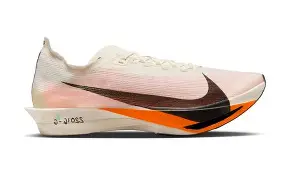
Streakfly Running Shoe Specs, Features, and Value: Is it worth the price tag?
Introduction
In the rapidly evolving landscape of performance footwear, few segments have seen as much volatility and innovation as the "crossover" racer. Historically, runners were forced to choose between the heavy, protective foam of a daily trainer and the aggressive, minimalist profile of a traditional racing flat. The introduction of the Streakfly represented a significant pivot in this narrative. Positioned as a lightweight, nimble solution for shorter road races like the 5K and 10K, this shoe was designed to bridge the gap between the high-stack marathon "super shoes" and the nearly extinct racing flats of the previous decade.
However, the conversation surrounding the Streakfly often moves beyond its physical construction and into the realm of consumer value. At its price point, the shoe enters a competitive arena where runners demand versatility, durability, and a clear performance benefit. For many, the central question is whether a shoe optimized for such a specific distance—essentially thirty minutes or less of high-intensity effort—justifies a triple-digit investment. This analysis explores the technical specifications, the lived experience of the athlete, and the long-term ROI of the Streakfly to determine if it truly earns its place in a modern running rotation.
To understand the Streakfly, one must understand the "super shoe" revolution. Most podium-topping footwear currently utilizes massive stacks of PEBA-based foam and full-length carbon fiber plates. These shoes are magnificent for the marathon, but they can feel cumbersome, disconnected, and unstable when navigating sharp turns or performing high-cadence intervals on a track. The Streakfly was engineered to provide that same high-energy return foam but in a lower profile that prioritizes ground feel and agility. It is a tool for the precision runner, the track enthusiast, and the local road racer who finds 40mm of foam to be "too much shoe" for a sprint to the finish line.
Detailed Product Analysis and Technical Specifications
The Midsole: The Heart of the Experience
The defining feature of the Streakfly is its midsole composition. It utilizes a full-length application of premium, nitrogen-infused PEBA foam—the same material found in flagship marathon racers. This foam is celebrated for its incredible energy return and low density, allowing for a plush yet energetic sensation without the weight penalty of traditional EVA or TPU foams. Unlike its larger siblings, the Streakfly features a much lower stack height, typically hovering around 32mm in the heel and 26mm in the forefoot, resulting in a 6mm drop.
This reduction in stack height is intentional. It provides the runner with a greater sense of "proprioception"—the body's ability to sense its position and movement in space. In high-speed 5K racing, ground feel is paramount for confidence during cornering and the final kick. However, the absence of a full-length carbon fiber plate is a notable departure. Instead, the Streakfly employs a midfoot shank. This internal component provides structural integrity and a touch of snappiness through the gait cycle without the extreme rigidity that can sometimes lead to foot fatigue in unconditioned runners.
The Upper: Minimalist Engineering
The upper of the Streakfly is a masterclass in weight reduction. Constructed from an ultra-thin, translucent engineered mesh, it offers nearly zero structural reinforcement. This design ensures maximum breathability, which is vital during the high-metabolic heat generation of a short-distance race. The tongue is partially gusseted to prevent slipping, and the lacing system is offset to reduce pressure on the top of the foot—a common grievance during aggressive running.
Weight is the secondary headline here. Coming in at well under 200 grams (approximately 6 ounces for a standard men’s size), the shoe feels almost non-existent on the foot. This "barely there" sensation is exactly what many competitive athletes look for when every second counts. However, this minimalism comes at a cost. There is very little heel padding and almost no toe-box protection, meaning the shoe provides a raw, unfiltered experience that may not suit those accustomed to the plush interiors of luxury daily trainers.
Outsole and Traction
The outsole design is strategically mapped based on high-wear areas identified through runner heat maps. It features a thin layer of durable rubber in the forefoot, where most of the impact and "toe-off" force occurs. The midfoot and heel areas often leave the midsole foam exposed to save weight. While this helps the shoe remain exceptionally light, it does introduce concerns regarding longevity. On abrasive asphalt or concrete, the exposed foam can show signs of wear within the first fifty miles. The traction is optimized for dry road conditions; while it performs adequately on damp surfaces, it lacks the aggressive lugging required for cross-country or loose gravel.
Looking for the best Electronics deals on Amazon?
See Deals →Performance in Real-World Use Cases
The 5K and 10K Specialist
For the primary intended use case, the Streakfly excels. During a 5K race, the runner is typically pushing at 90-95% of their maximum heart rate. At this intensity, the mechanics of the stride change. The foot strike is often more towards the midfoot or forefoot, and the cadence is higher. The Streakfly accommodates this perfectly. The foam provides enough dampening to prevent the "jarring" sensation of old-school flats, but the lack of a plate allows the foot to move more naturally. For runners who find carbon plates too "prescriptive" or stiff, the Streakfly offers a liberating alternative.
The Interval Session and Track Workout
Beyond race day, the Streakfly has found a second home as a dedicated speed-work trainer. When performing 400-meter or 800-meter repetitions on a synthetic track, the shoe’s agility is its greatest asset. It handles the curves of a 400m oval far better than a high-stack marathon shoe, which can often feel like it wants to "roll" outwards under lateral stress. The lightweight nature makes high-cadence drills feel effortless, making it an excellent choice for high school and collegiate athletes who spend significant time on the track.
The "Lightweight" Daily Trainer?
There is a growing trend of runners using the Streakfly for short, easy recovery runs. While the foam is certainly soft enough to be comfortable at slower paces, this is generally not recommended as a primary use case. The lack of inherent stability and the thinness of the upper mean that the foot has to work harder to stay aligned. For a runner with neutral mechanics looking for a "fun" occasional ride, it works; for someone needing arch support or stability, the Streakfly will likely feel too flimsy for everyday mileage.
Pros and Cons
- Pro: Exceptional Weight-to-Cushion Ratio. It is rare to find a shoe this light that doesn't feel like a thin piece of rubber. The premium foam provides a sophisticated, high-energy ride.
- Pro: Superb Ground Feel and Agility. The lower stack height allows for confident cornering and a more natural foot-to-ground connection compared to marathon-style super shoes.
- Pro: Breathability. The engineered mesh is one of the most ventilated on the market, making it ideal for hot summer racing and indoor track sessions.
- Pro: Versatility for Speed Work. It functions beautifully as both a race-day shoe and a dedicated tool for intervals, tempos, and repetitions.
- Con: Durability Concerns. The exposed foam on the outsole and the paper-thin upper mesh are prone to premature wear and tear if used on rough terrain or for high-volume mileage.
- Con: Lack of Stability. There is very little structure to the shoe. Runners who overpronate or require a stable platform may find the soft foam and flexible upper too unstable for their needs.
- Con: Limited Distance Range. For most runners, the cushion is insufficient for distances beyond 10 miles. It is a "niche" shoe that does one thing very well but lacks the all-day comfort of a marathon racer.
Comparison with Market Alternatives
| Feature | Streakfly | Traditional Racing Flat | High-Stack Super Shoe |
|---|---|---|---|
| Primary Foam | Premium PEBA | Firm EVA | Premium PEBA |
| Plate Technology | Midfoot Shank | None | Full Carbon Fiber Plate |
| Weight (Approx) | 170g - 185g | 140g - 200g | 210g - 240g |
| Stack Height | Mid (32mm) | Low (15-22mm) | High (38-40mm) |
| Typical Use | 5K, 10K, Intervals | Track, 5K | Half Marathon, Marathon |
| Ground Feel | High | Extreme | Low |
Buying Guide: Is the Streakfly Right for You?
Choosing a performance running shoe requires an honest assessment of your goals, your biomechanics, and your current shoe rotation. The Streakfly is not a "magic bullet" that replaces every other shoe in your closet; rather, it is a specialized instrument. To determine if it’s worth the price, consider the following factors:
Your Racing Calendar
If your primary focus is the local 5K circuit or you are a middle-distance track athlete, the Streakfly is arguably one of the best investments you can make. It provides the specific "snap" and agility needed for these distances. Conversely, if you only run one 5K a year and spend most of your time training for marathons, you might find the shoe’s utility too limited for the cost.
Foot Mechanics and Stability
The Streakfly offers very little mechanical "help." A carbon-plated shoe often helps propel the runner forward via a rocker geometry. The Streakfly requires the runner’s own foot and calf strength to provide the propulsion. If you have been prone to Achilles tendon issues or plantar fasciitis, the transition to such a flexible, low-structured shoe should be done gradually. Neutral runners with strong feet will likely enjoy the freedom it provides, while those who rely on stability features should approach with caution.
The "Value Per Mile" Calculation
Most premium running shoes are expected to last between 300 and 500 miles. The Streakfly, due to its lightweight components, is more likely to show significant degradation between 150 and 250 miles. When calculating the value, ask yourself if you are comfortable paying the retail price for a shoe that may only last half as long as a daily trainer. For the competitive athlete, the performance gains are worth the higher cost per mile; for the casual enthusiast, this may be a deal-breaker.
Looking for the best Electronics deals on Amazon?
Browse Now →The Comparison to "Full" Super Shoes
In many cases, the Streakfly is significantly more affordable than the top-tier marathon racers which can reach prices 30-50% higher. If you want the sensation of the world’s most advanced foam technology but don’t want to spend nearly three hundred dollars, the Streakfly serves as an excellent "entry point" into the world of high-performance materials.
Conclusion: The Verdict on Value
The Streakfly Running Shoe occupies a unique and somewhat lonely space in the current market. It is a shoe built for the purist—the runner who wants the speed and bounce of modern foam but refuses to give up the tactile connection to the pavement. From a technical standpoint, it is a triumph of engineering, successfully stripping away the bulk of the modern trainer while retaining the "energy" of the premium racing era. It is remarkably light, impressively breathable, and provides a ride that feels both nostalgic and futuristic.
Is it worth the price tag? For the dedicated racer and the speed-work aficionado, the answer is a resounding yes. The performance benefit during a max-effort 5K is tangible. The ability to "feel" the road during a final sprint provides a psychological and physical edge that high-stack shoes often blunt. Furthermore, as a tool for track intervals, it is arguably superior to its more expensive marathon-focused counterparts, offering better stability on turns and less weight on the lift-off.
However, for the general population of runners who prioritize longevity and versatility, the value proposition is more complex. The potential for rapid wear on the outsole and the lack of support for longer distances mean that the Streakfly is a "luxury" addition to a rotation—not a foundational requirement. It is a "third shoe"—something you reach for on Wednesday for intervals and Saturday for the local race, but never on Sunday for the long run or Monday for the recovery jog.
Ultimately, the Streakfly is a specialized tool. Like any specialized tool, its value is derived entirely from how often you use it for its intended purpose. If your goals are measured in seconds over a 10K distance, the investment is justified. If your goals are measured in miles over a season of healthy running, you may find better value elsewhere. The Streakfly remains a bold statement in footwear: a reminder that sometimes, less is indeed more, provided you have the speed to make it count.